Why Parents Are Pressuring to Delete Roblox
The Hidden Dangers You Need to Know

Roblox has exploded into one of the most popular gaming platforms in the world, boasting over 380 million registered users — the majority of them children under the age of 13. At first glance, it looks harmless: colorful, creative, and endlessly entertaining. But beneath the blocky characters and playful avatars lies a digital landscape that has thousands of parents seriously considering whether to delete Roblox from their children’s devices altogether. From predatory behavior and graphic user-generated content to compulsive spending and Roblox addiction, the concerns are real, documented, and growing. If you’re a parent wondering whether Roblox is safe for your child, this article is your complete guide.
1. The Online Gaming Risks Parents Often Overlook
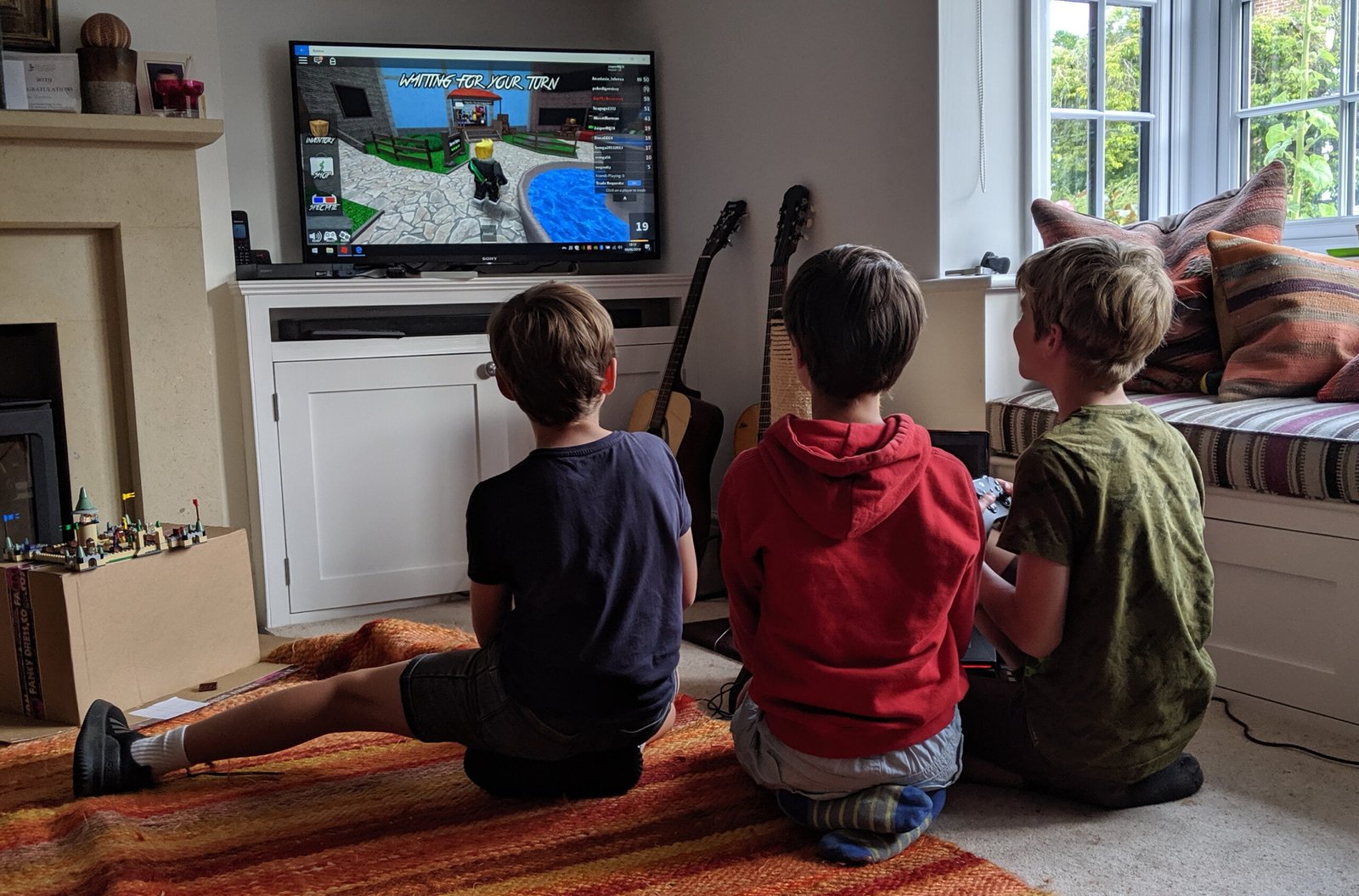
Roblox is not a single game — it’s a platform hosting millions of user-created games and worlds, making it virtually impossible to monitor every piece of content your child encounters. This open architecture creates serious online gaming risks that most parents discover only after something goes wrong.
Predators and inappropriate contact top the list of parental concerns. Because Roblox includes live chat features, children can be approached by strangers in real time. The National Center for Missing & Exploited Children (NCMEC) has repeatedly flagged gaming platforms, including Roblox, as hunting grounds for online predators who use in-game relationships to build trust before requesting personal information or inappropriate images.
Beyond predatory behavior, the platform has faced repeated controversies over user-generated content slipping past its moderation filters — including virtual spaces simulating sexual acts, drug use, and violence. Independent researchers and parent advocacy groups have documented hundreds of examples of such content accessible to children as young as six.
Key online gaming risks on Roblox include:
- Live, unmoderated chat with strangers
- User-generated games containing graphic or adult themes
- Social engineering tactics used by bad actors
- Exposure to cyberbullying within game communities
- Data privacy concerns involving minors’ personal information
2. Roblox Addiction: When Fun Becomes a Problem
One reason so many parents debate whether to delete Roblox is the platform’s deliberately addictive design. Like most free-to-play platforms, Roblox is engineered to maximize time on screen using psychological reward loops — daily login rewards, limited-time events, social pressure from friends, and a virtual currency system (Robux) that blurs the line between play and spending.
Roblox addiction is a growing concern among child psychologists. Research from the American Psychological Association shows that excessive gaming in children correlates with increased anxiety, depression, poor sleep quality, and declining academic performance. When a child consistently chooses Roblox over homework, family time, physical activity, or social interaction, that’s a clinical warning sign — not a phase.
Signs your child may be developing a Roblox addiction:
- Anger or emotional distress when the game is taken away
- Lying about how much time they spend playing
- Neglecting schoolwork, chores, or personal hygiene
- Losing interest in hobbies they previously enjoyed
- Talking exclusively about Roblox in social situations
- Inability to stop playing even when asked
Child mental health professionals recommend setting hard daily screen time limits (no more than one to two hours of recreational screen time for children over six, per the American Academy of Pediatrics), and scheduling consistent offline activities to balance digital engagement.
3. The Hidden Financial Dangers: Robux and Microtransactions
Another major reason parents choose to delete Roblox is the platform’s aggressive monetization model targeting children. Roblox operates on a virtual currency called Robux, which is purchased with real money. The problem? Children often do not understand the real-world value of digital currency, making them susceptible to overspending — sometimes running up hundreds of dollars in charges before parents notice.
Roblox’s marketplace also exposes children to gambling-adjacent mechanics. “Mystery boxes,” random loot mechanics, and limited-edition virtual items create the same psychological triggers as gambling — unpredictable rewards that drive compulsive purchasing behavior.
To protect your family financially:
- Remove saved payment methods from any account your child can access
- Enable purchase confirmation requiring a parent password
- Have an open conversation about the real value of Robux
- Set a strict monthly Robux budget, if you allow purchases at all
- Regularly audit your bank statements for unexpected charges
From a digital parenting perspective, this is also an excellent teachable moment. Use Roblox’s spending mechanics to begin age-appropriate conversations about money, budgeting, and the difference between want and need.
4. Digital Parenting: What You Can Do Before You Delete Roblox
Before making the decision to delete Roblox entirely, most child safety and digital parenting experts recommend a structured approach. Abrupt removal can create resentment and drive secretive behavior — children may simply access the platform through a friend’s device or school computer.
Practical steps for safer Roblox use:
- Enable Account Restrictions: Roblox offers an “Account Restrictions” setting that limits chat and restricts gameplay to a curated list of age-appropriate content.
- Set up Parental PIN: A parental PIN prevents your child from changing privacy or safety settings without your knowledge.
- Review friend lists regularly: Know who your child is interacting with online. Reinforce the rule that Roblox “friends” must be people they know in real life.
- Play alongside your child: Spend time in the game with them. You’ll quickly see what content they’re consuming and who they’re communicating with.
- Use third-party parental control apps: Tools like Bark, Qustodio, or Circle monitor screen time and flag potentially dangerous conversations across platforms including Roblox.
5. Educational Games Alternatives Worth Considering
If you decide the risks outweigh the benefits and choose to delete Roblox, there is no shortage of engaging, age-appropriate platforms that prioritize child safety online and genuine learning.
Top educational games alternatives:
- Minecraft Education Edition — Encourages creativity and problem-solving in a safer, school-aligned environment
- Khan Academy Kids — Free, research-backed learning for ages 2–8 across math, reading, and social skills
- Prodigy Math — A role-playing game that embeds curriculum-aligned math challenges
- Tynker — Teaches real coding skills through game-based learning
- National Geographic Kids Games — Science and geography-focused content in a fully moderated space
These educational games alternatives provide children with screen time that builds skills rather than just consuming attention — and they give parents far greater peace of mind regarding child safety online.

Conclusion: A Balanced Approach to Digital Parenting
The decision to delete Roblox is deeply personal and depends on your child’s age, maturity, and online habits. What is not debatable is that the platform carries very real risks — from predatory contact and addictive design to unchecked spending and inappropriate content — that every parent deserves to understand fully.
Your action checklist:
- Audit your child’s current Roblox settings and friend list today
- Set clear, consistent screen time boundaries
- Have an honest, non-judgmental conversation with your child about online safety
- Explore educational games alternatives that align with your family’s values
- Reassess monthly — children’s needs and maturity levels change quickly
Responsible digital parenting isn’t about saying no to technology. It’s about staying informed, setting boundaries, and guiding your child toward a healthier, safer relationship with the digital world. Whether you keep Roblox with guardrails or delete it entirely, the most powerful tool you have is your ongoing presence and conversation.