How People Are Earning Thousands of Dollars on Roblox — And Exactly How You Can Too
The complete developer's guide to turning Roblox Studio into a real income stream in 2026

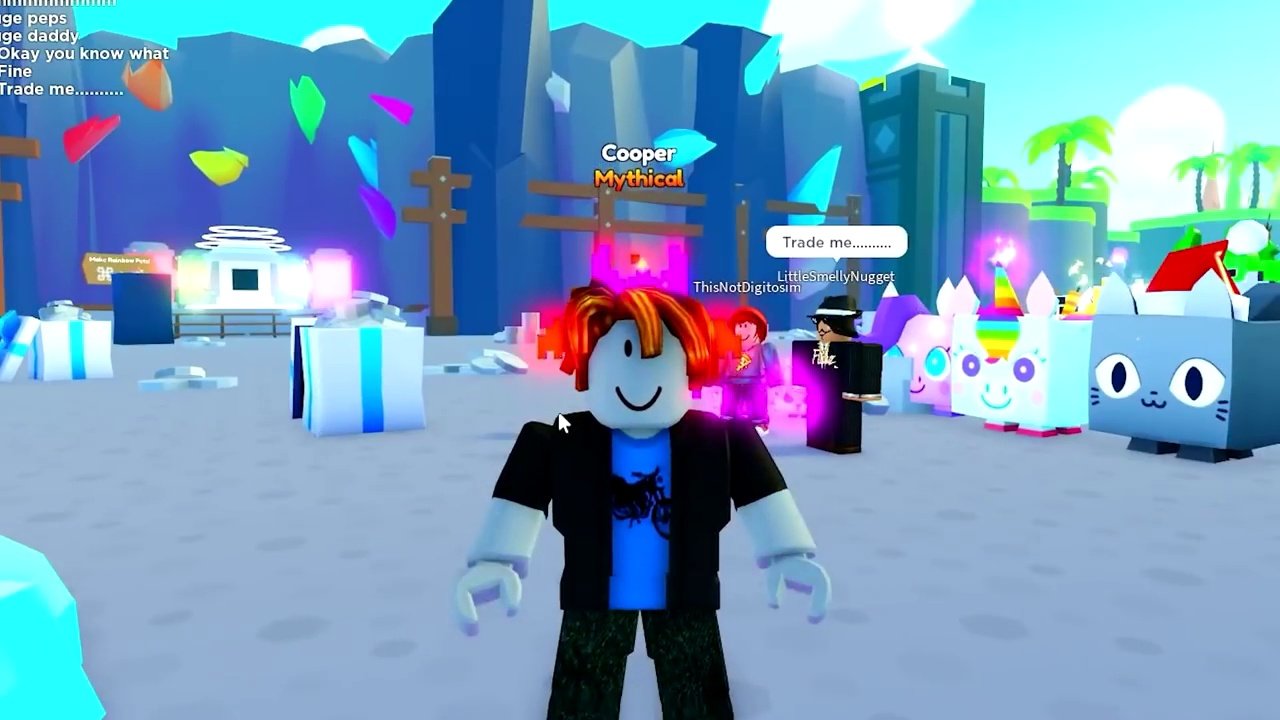
If you’ve been researching how to make money online, learn programming, or build a digital product business, there is a very good chance you’ve been sleeping on the most beginner-friendly platform that pays real money in existence. This guide is going to change how you see Roblox — and more importantly, give you an actionable roadmap to start generating income from it.
Every major tech shift — YouTube, mobile apps, NFTs, the creator economy — rewarded the early movers. Roblox’s shift from “kids’ game” to “open developer economy” is happening right now. The window to get in early is still open — but it won’t be forever.
What Roblox Actually Is (Hint: Not Just a Game)
Most people who dismiss Roblox have the wrong mental model. It’s not a game — it’s a game creation and distribution platform with a built-in economy, a monetization infrastructure, and an audience of 88 million daily users who are actively spending money inside it. Think of it less like Call of Duty and more like a cross between the App Store, YouTube, and Unity — except the entire thing is free to access and the tools are built-in.
Roblox provides its own creation software — Roblox Studio — which lets anyone build interactive 3D experiences (called “games” or “experiences”) using a scripting language called Lua. These experiences range from role-playing simulations and obstacle courses to full-scale RPGs with hundreds of thousands of concurrent players. The critical difference between Roblox and other game engines like Unity or Unreal Engine is that distribution is instant: publish your game, and it’s immediately accessible to tens of millions of users worldwide, with zero marketing budget required to get started.
The platform runs on an internal currency called Robux, and — this is the part that turns a hobby into a business — that currency can be converted back into real US dollars through a program called Developer Exchange (DevEx).
📊 Robux to USD: How the Conversion Works
The 5 Real Ways to Make Money on Roblox
There isn’t just one path here. Roblox’s ecosystem is rich enough that your entry point depends entirely on your existing skills and interests. Here’s a breakdown of every legitimate monetization method that’s working for developers right now.
1. Game Development — The Highest Ceiling
Building a popular game on Roblox Studio is the highest-leverage activity on the platform. Successful games generate revenue through multiple mechanisms simultaneously: Game Passes (one-time purchases that unlock abilities or perks), Developer Products (consumable in-game purchases), and Premium Payouts (a share of revenue from Roblox Premium subscribers who play your game).
The numbers are real. A well-executed game in a popular genre — simulator, roleplay, obby (obstacle course), tycoon — can generate thousands of dollars per month in passive income once it gains traction. Some of the platform’s top games, like *Adopt Me!* and *Brookhaven*, generate millions annually, built by teams that started as solo developers with no funding.
You don’t need to hit those extremes to make meaningful money. A mid-tier game with 50,000–500,000 monthly visits can generate $500–$3,000/month consistently — real passive income while you’re building your next project.
2. UGC Items — Selling Digital Fashion
The UGC Roblox (User Generated Content) program lets approved creators sell 3D accessories, avatar clothing, and gear in the Roblox Marketplace. Every time someone buys your item, you earn Robux. Popular items sell thousands of copies — and unlike a game, a single UGC item you design once can continue generating income for months or years.
The skills required here overlap with professional 3D modeling. Creators typically use Blender (free and industry-standard) to design items, then import them into Roblox Studio for upload. Learning Blender through structured courses on platforms like Udemy or Coursera isn’t just useful for Roblox — it’s a transferable skill used in game dev, product design, film VFX, and architectural visualization.

3. Scripting as a Freelance Service
This one surprises most people: there is an entire freelance economy inside and around Roblox. The platform’s official Talent Hub and community forums like DevForum are filled daily with game owners posting paid scripting jobs. A game creator who has design vision but lacks programming skills will hire a Lua scripter. Rates range from a few thousand Robux for small tasks to hundreds of dollars (paid via PayPal or crypto) for complex systems.
More sophisticated developers take their Roblox Lua skills to mainstream freelance platforms — Fiverr, Upwork, and Toptal — where demand for Roblox developers has grown significantly. At this level, you’re no longer just a game creator; you’re a freelance developer with a specialized, in-demand skill.
4. Trading Limited Items
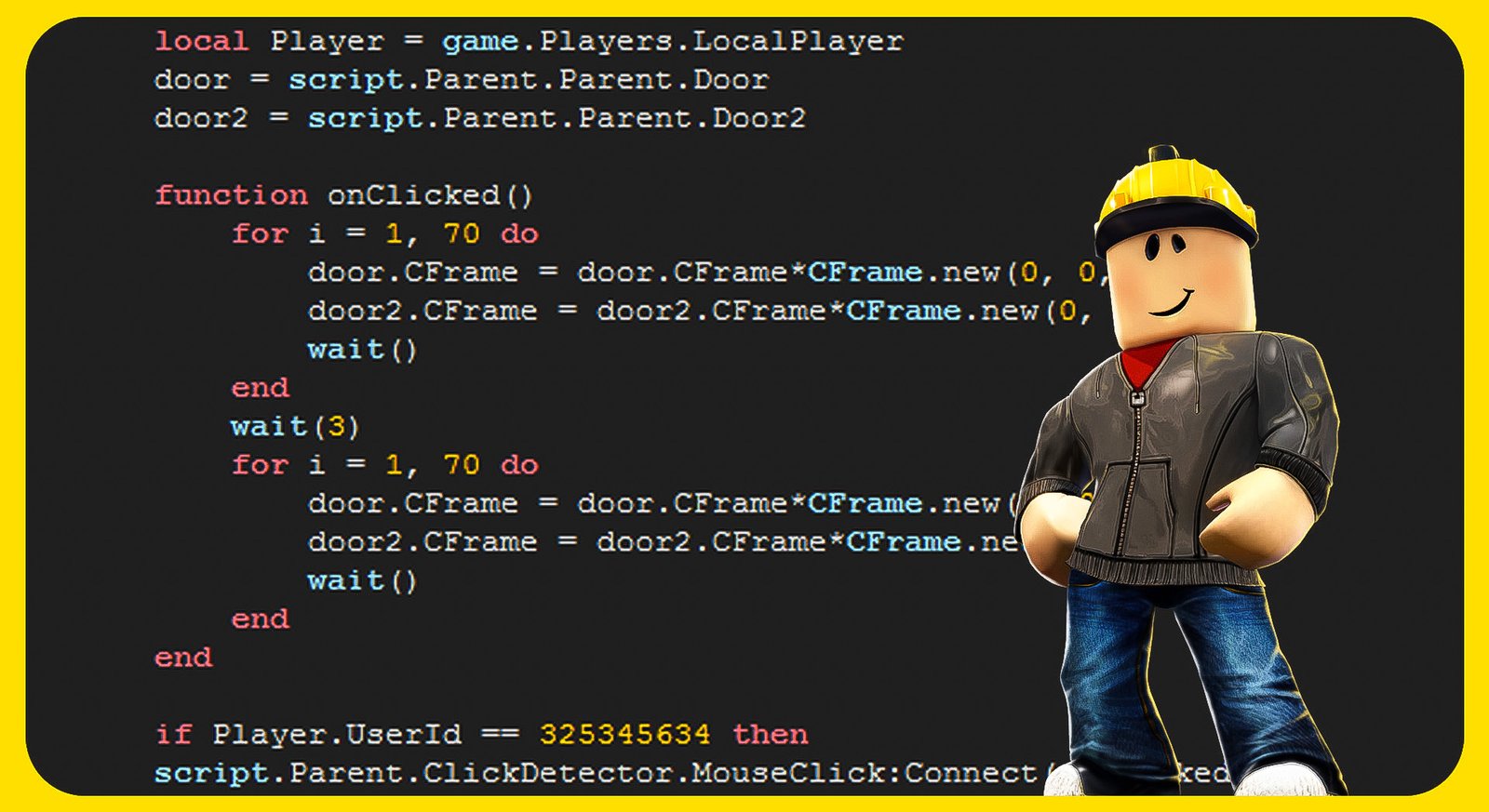
Roblox has a class of items called “Limiteds” — items with capped supply that can appreciate in value over time, similar to collectibles or sneakers. Savvy traders study market trends, buy undervalued Limiteds, and sell when demand spikes. This requires less technical skill but more business acumen and market research ability — skills that directly translate to any kind of digital entrepreneurship.
5. Content Creation Around Roblox
Documenting your journey — building games, designing UGC, scripting tutorials — on YouTube, TikTok, or a dev blog attracts an audience that monetizes through AdSense, brand sponsorships, and digital product sales. Gaming content in the development niche attracts some of the highest CPM rates on YouTube, especially content targeting developers and learners. This is the passive income layer that compounds everything else you’re building.
Complete Monetization Method Comparison
| Method | Core Skills | Tools Needed | Difficulty | Time to First $ | Earning Potential |
|---|---|---|---|---|---|
| Game Development | Lua scripting, 3D design, UX thinking | Roblox Studio, GitHub | Advanced | 3–9 months | $500–$20,000+/mo |
| UGC Item Design | 3D modeling, market awareness | Blender, Roblox Studio | Intermediate | 1–3 months | $100–$5,000/mo |
| Freelance Scripting | Lua, OOP concepts, debugging | Roblox Studio, Upwork/Fiverr | Intermediate | 2–6 weeks | $300–$4,000/mo |
| Limited Item Trading | Market research, trend spotting | Roblox platform only | Beginner | Days–weeks | $50–$1,000/mo |
| Content Creation | Video editing, SEO, storytelling | OBS, editing software | Beginner | 3–6 months | $200–$10,000+/mo |
| Game Asset Sales | Modeling, texturing, scripting | Blender, Unity (for reference) | Intermediate | 1–4 months | $100–$2,000/mo |
The Skills That Actually Matter — And Where to Learn Them
Here’s the thing about learning Roblox development: the skills you build aren’t locked inside the Roblox ecosystem. They’re real, transferable, career-building skills. Lua teaches you programming logic. Blender teaches you 3D design. Managing a game’s player economy teaches you product thinking. These are skills employers and freelance clients pay for.
Roblox Studio 🎮
Roblox Studio is a free, all-in-one IDE, level editor, and publishing tool. It’s the ultimate starting point for anyone looking to build games, create experiences, and start earning from day one—no upfront cost required.
Blender 🔷
Blender is the industry-standard free 3D modeling software. Essential for UGC and asset creation, it empowers creators to design characters, environments, and items that can generate real income inside Roblox or beyond.
GitHub 🐙
GitHub provides version control for your scripts and projects. Using it develops professional habits that make you more hireable and ensures your work is organized, scalable, and ready for collaboration.
Udemy 📚
Udemy offers affordable courses in Lua programming, Blender, and Roblox-specific game development bootcamps. These guided courses accelerate your learning and let you start creating professional-quality content faster.
Coursera 🎓
Coursera provides structured courses in programming fundamentals and 3D design, often with certifications. These programs turn beginner skills into validated expertise, boosting credibility in the digital economy.
Unity 🔧
Once you outgrow Roblox Studio, Unity is the natural next step for indie game developers. Its free tier allows you to expand your game development skills, reach broader platforms, and increase your earning potential.
Free tier
“I started with zero coding experience and a $0 budget. I spent three months learning Lua on YouTube and building terrible games no one played. Month four, I published a tycoon game that hit 200,000 visits in six weeks. That month I earned just over $1,100 from DevEx. It wasn’t life-changing yet — but it proved the model was real.”— Anonymous developer, Roblox DevForum, 2025
Your Step-by-Step Beginner Roadmap
Forget the theory for a moment. Here’s the exact sequence a complete beginner should follow to go from zero to first dollar on Roblox — based on what’s actually working in 2026.
Install Roblox Studio & Explore (Week 1–2)
Download Roblox Studio for free. Spend the first week opening existing templates, moving objects, changing properties, and understanding how the interface works. Don’t build anything yet — just explore. Watch 2–3 beginner intro videos on YouTube to get familiar with the layout.
Learn Lua Fundamentals (Week 3–6)
Pick a structured Lua/Roblox scripting course on Udemy or follow the free Roblox Creator Documentation. Focus on: variables, functions, loops, events, and the RemoteEvent system. Don’t skip the fundamentals — they’re the difference between someone who hacks together broken code and someone who builds scalable systems.
Build Your First (Bad) Game (Month 2)
Build something small and publish it — even if it’s terrible. An obby (obstacle course) is perfect for beginners. The goal here isn’t money; it’s going through the full cycle of build → publish → iterate. Use GitHub to version-control your scripts from day one.
Study the Market (Month 2–3)
Look at the top 50 games on Roblox. What genres are trending? What monetization do they use? How do their Game Passes and stores work? You’re doing market research — the same research any successful product developer does before building. This step alone separates hobbyists from earners.
Build a Market-Informed Second Game (Month 3–5)
Apply what you’ve learned. Build a game in a proven genre with intentional monetization designed in from the start — not added as an afterthought. Add a Game Pass, a developer product store, and polish the UI. This is the game you’ll actually promote.
Launch, Promote & Iterate (Month 5–6+)
Share your game on Reddit (r/roblox), the Roblox DevForum, and TikTok short videos. Actively iterate based on player feedback. Track your Robux earnings daily. Apply for DevEx once you hit the 30,000 Robux threshold and receive your first real-money payout.
Real Earning Examples From Independent Developers
📈 What Independent Roblox Developers Actually Earn
- Solo tycoon game developer with one popular game: $1,200–$3,500/month via Game Passes and Developer Products
- UGC designer with 15 approved catalog items: $400–$1,800/month in passive Marketplace sales
- Freelance Lua scripter on DevForum + Upwork: $600–$2,500/month in contracted work
- Content creator documenting Roblox dev journey on YouTube: $300–$5,000+/month via AdSense + sponsorships
- Small dev team (2–3 people) with a mid-tier game: $5,000–$25,000/month split between team members
These aren’t cherry-picked outliers from viral games. They represent consistent, sustainable income levels from developers who treated Roblox as a serious digital business rather than a pastime. The common denominator: they learned systematically, built with a market in mind, and didn’t quit after the first failed project.
Why This Is a Real Skill-Building Opportunity — Not Just a Side Hustle
The most underrated aspect of going deep on Roblox development is what it does to your career trajectory outside the platform. Lua is a gateway drug to programming. Developers who master Roblox’s scripting system find that learning JavaScript, Python, or C# afterward feels dramatically easier — because they’ve already internalized the logic of programming. Version control with GitHub, managing a codebase, debugging complex systems, designing a user economy — these are professional skills that translate directly to software engineering jobs, indie game development, and remote work opportunities globally.
The rise of structured online education — through platforms like Coursera, Udemy, and specialized game dev bootcamps — means you no longer need a CS degree to develop these skills rigorously. The combination of free tools (Roblox Studio, Blender, GitHub) and affordable online learning creates a near-zero cost path to a legitimate technical career — with the Roblox income stream funding your learning journey along the way.
Every month you spend building on Roblox, you’re simultaneously building a portfolio, a passive income stream, a skill set valued in the global job market, and — if you document it — an audience. Very few other activities offer that kind of compounding return on your time investment.
Common Mistakes That Kill Beginner Progress
Mistake #1: Trying to build a complex game first. Start embarrassingly small. A working, published, terrible game teaches you more than a 6-month project you never finish.
Mistake #2: Ignoring the business side. The developers who make money think about monetization, player retention, and market positioning — not just code quality. Study successful games as business products, not just as games.
Mistake #3: Not using version control. Set up a GitHub repository from day one. It’s a professional habit, and it protects you from losing weeks of work to a corrupted file.
Mistake #4: Giving up after one failed game. The data is consistent: most successful Roblox developers had 3–7 failed or mediocre projects before one gained meaningful traction. This is normal. It’s the learning cost.
Mistake #5: Not engaging with the community. The Roblox DevForum is one of the most helpful developer communities on the internet. Post your work. Ask questions. Find collaborators. The network compounds your progress faster than any tutorial.